 Peer to Peer (P2P) lending websites allow users to lend and borrow money directly to and from each other. China’s first P2P lending website, PPDai.com, launched in 2007. As of 2013, there are scores of websites that operate as online brokers hooking up lenders with borrowers, and taking a small transaction fee.
Independent data suggests the market has been growing multi-fold annually. In May of this year alone, over 2.7 billion yuan was transacted via P2P lending websites, according to a report prepared by research organization Wangdai Zhijia. Renrendai.com, one of the largest players, announced that the total amount of loans transacted on its platform in 2012 exceeded 350 million yuan, an eight-fold year-on-year increase. Renrendai did not release its revenues, but P2P lending services typically charge 2% of the total loan amount as a transaction fee. It is widely believed that some P2P websites such as Renrendai have already achieved positive cash flow.
The prospects for rapid growth demonstrated by the early entrants have already attracted powerful players. In 2011, Ping An Insurance (HKG:2318) launched Lufax.com (featured in the chart on the previous page) and earlier this year, Shenzhen Pharma Group (unlisted) unveiled its 91yt.com.
How much credit do borrowers get?
Compared with US counterparts such as Prosper or Lending Club, Chinese P2P sites display a clear focus on businesses rather than individuals. On PPDai the most popular borrowers are vendors on Taobao, China’s largest online retail website, who sometimes have an urgent need to raise funds to buy inventory for shopping seasons, or for making advance payments on large orders.
Chinese banks, even small ones, do not usually make loans to such vendors, but on PPDai, Taobao vendors can get an unsecured loan of as much as 500,000 yuan if they have good sales and customer ratings (much more than the maximum US$2,500 that Prosper allows).
As part of a recent research project about P2P lending in China, Danwei interviewed a number of P2P lenders and borrowers. Below is a sketch of one of them.
Portrait of a P2P investor
Wang Zhen (not his real name) is a 29-year-old white collar worker from a provincial town in Henan province who has been working in Beijing since graduation. His monthly salary is about 13,000 yuan and his life goal is to own a piece of real estate in the capital. As real estate prices skyrocketed, he grew increasingly frustrated with his financial situation. While the balance of his savings account grew steadily, rent was increasing at a much more rapid pace. In November 2012, after his landlord raised the rent again, he decided that he needed to find alternative ways to invest in order to make extra money.
Wang briefly flirted with the idea of buying gold, but after thoroughly reviewing investor testimonies on Internet forums, he decided that lending money on Peer-to-Peer or P2P lending websites was a safer investment with better returns. In November 2012, he invested 10,000 yuan via PPDai.com. After a month of anxious waiting, borrowers started to pay him back. By January 2013, he had made a total of 500 yuan in profits, but two borrowers failed to pay back their loans, leading to a 200 yuan loss.
Wang decided to change his strategy by investing more in entrepreneurs on Taobao.com (China’s biggest ecommerce website) because such vendors have traceable sales and sometimes credit histories. Because of this they can borrow money on PPDai at lower rates, offering lenders a safer investment but a lower return. This change in strategy stabilised Wang’s loan default rate.
In addition, Wang spread his investments across more than 1,300 borrowers. Wang carefully reviewed many of the borrower profiles and credit histories, but he also allowed PPDai’s software to choose some. Many lenders on PPDai have adopted this strategy of making a high number of small loans to spread risk. Many of them also participate in an online chat forum where they exchange information about reliable borrowers.
As of July 11 2013 he has invested a total of 116,637.60 yuan of his own capital in several irregular instalments. The investments have generated 5,535.21 yuan in interest, which he has put back into PPDai. There are 12 overdue loans totalling 818.26 yuan, although Wang is confident that most of these borrowers will eventually pay him back. The PPDai website dashboard says that his annualized return rate for his investments is 13.51%.
The above is adapted from the Danwei Bulletin, a weekly briefing of company and market news compiled from our research as well as Chinese news and social media . The Danwei Bulletin is sent to premium subscribers of the FT’s China Confidential and Danwei. Please contact Danwei founder Jeremy Goldkorn for more information – jeremy@danwei.com
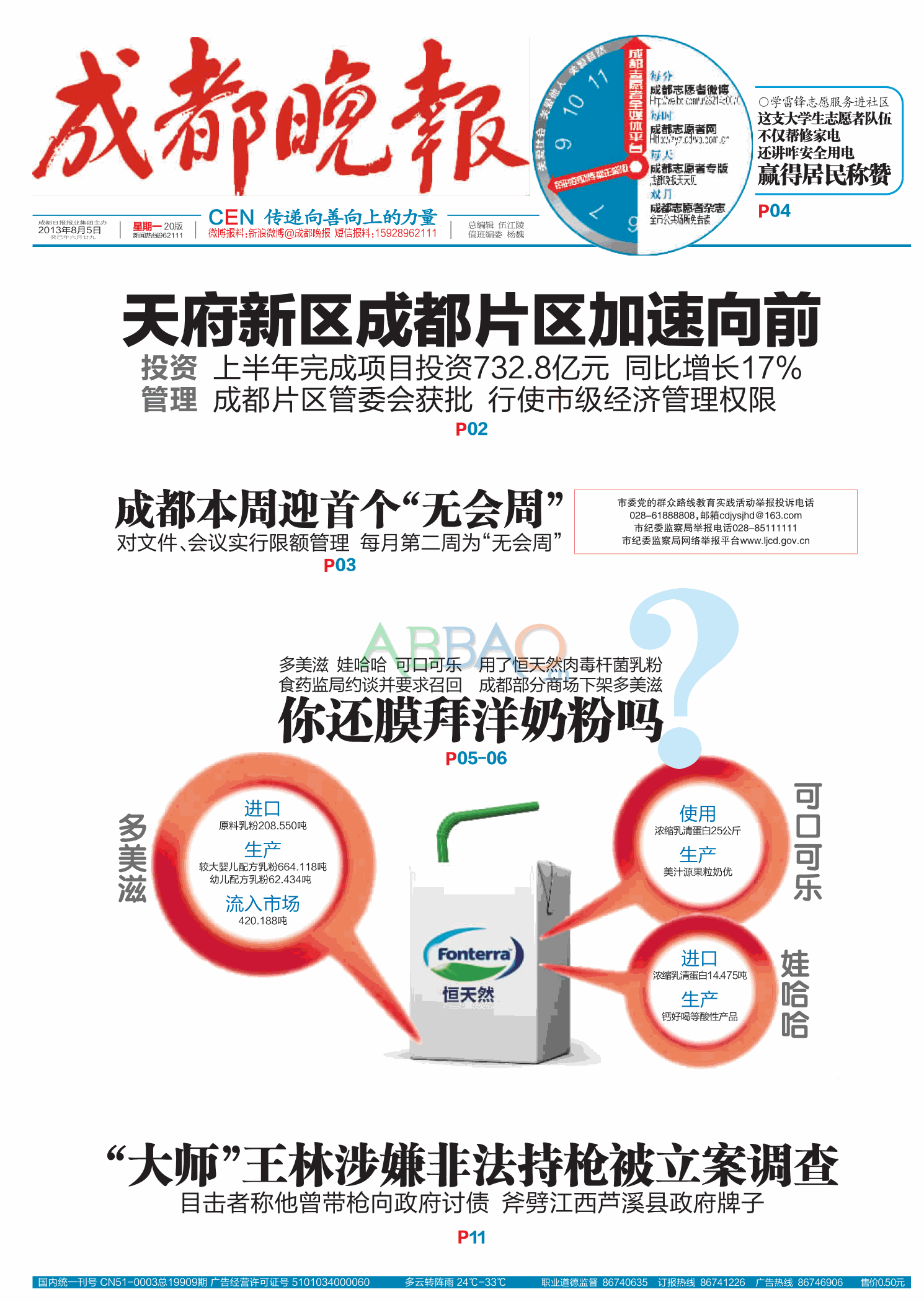
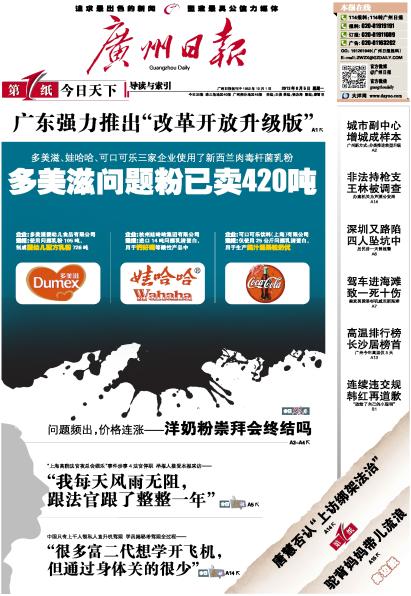

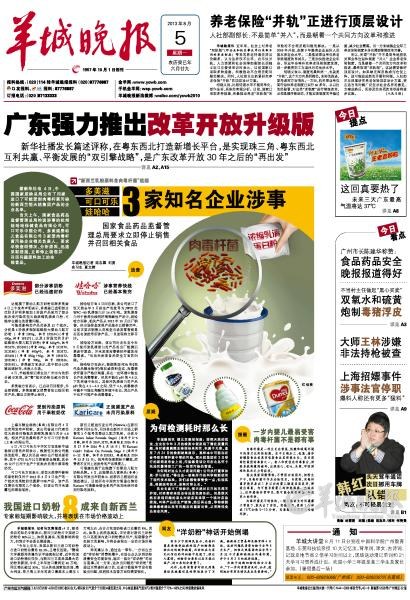
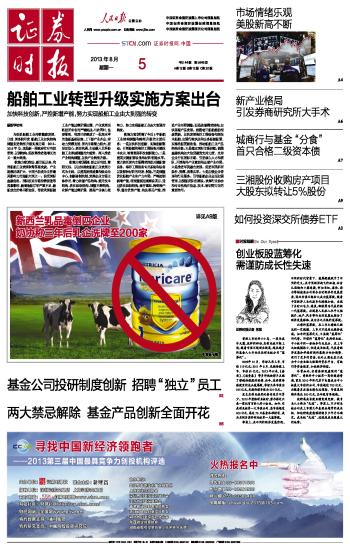
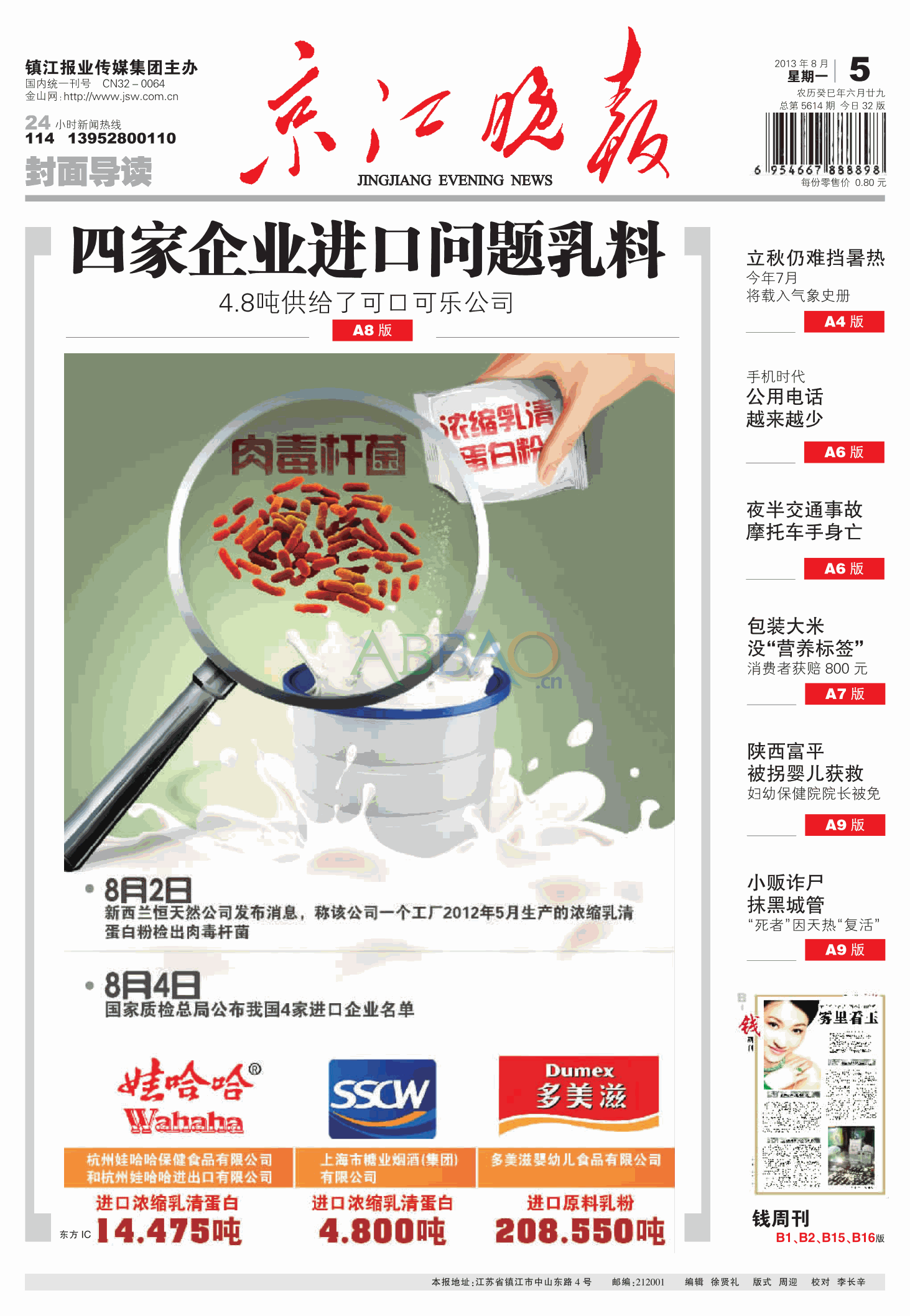
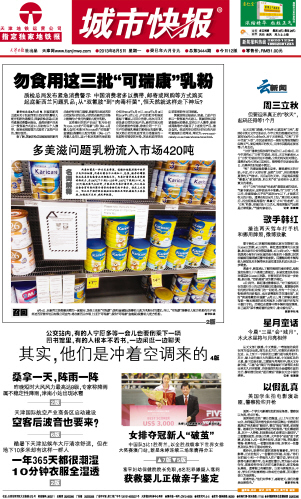
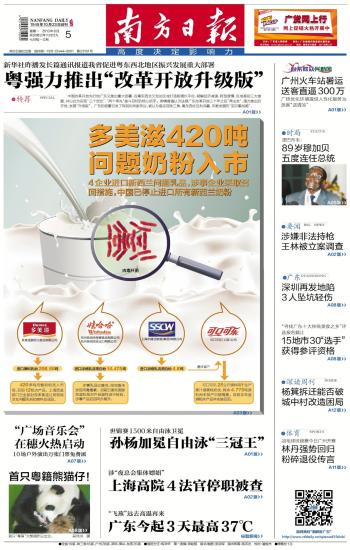
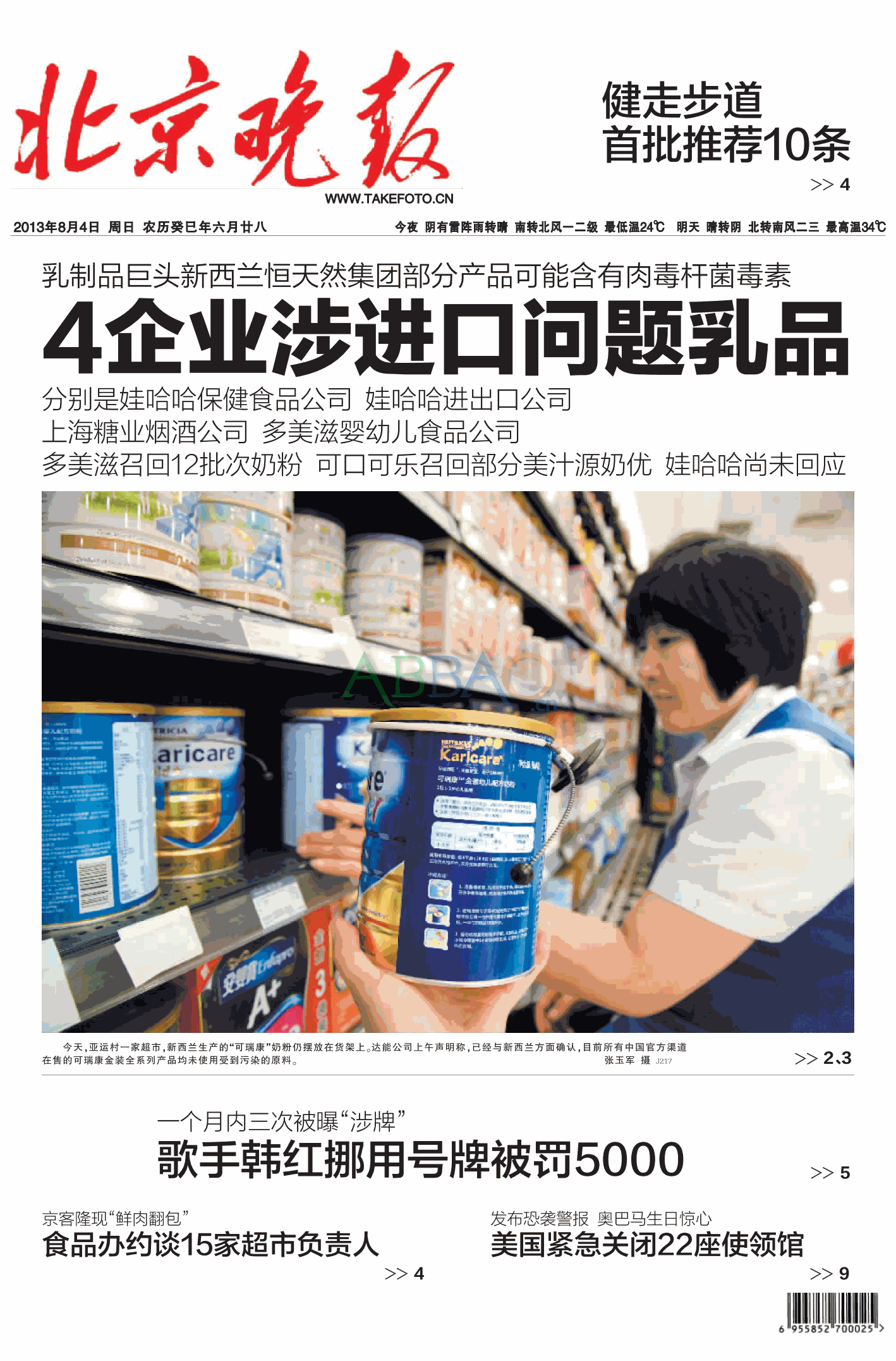
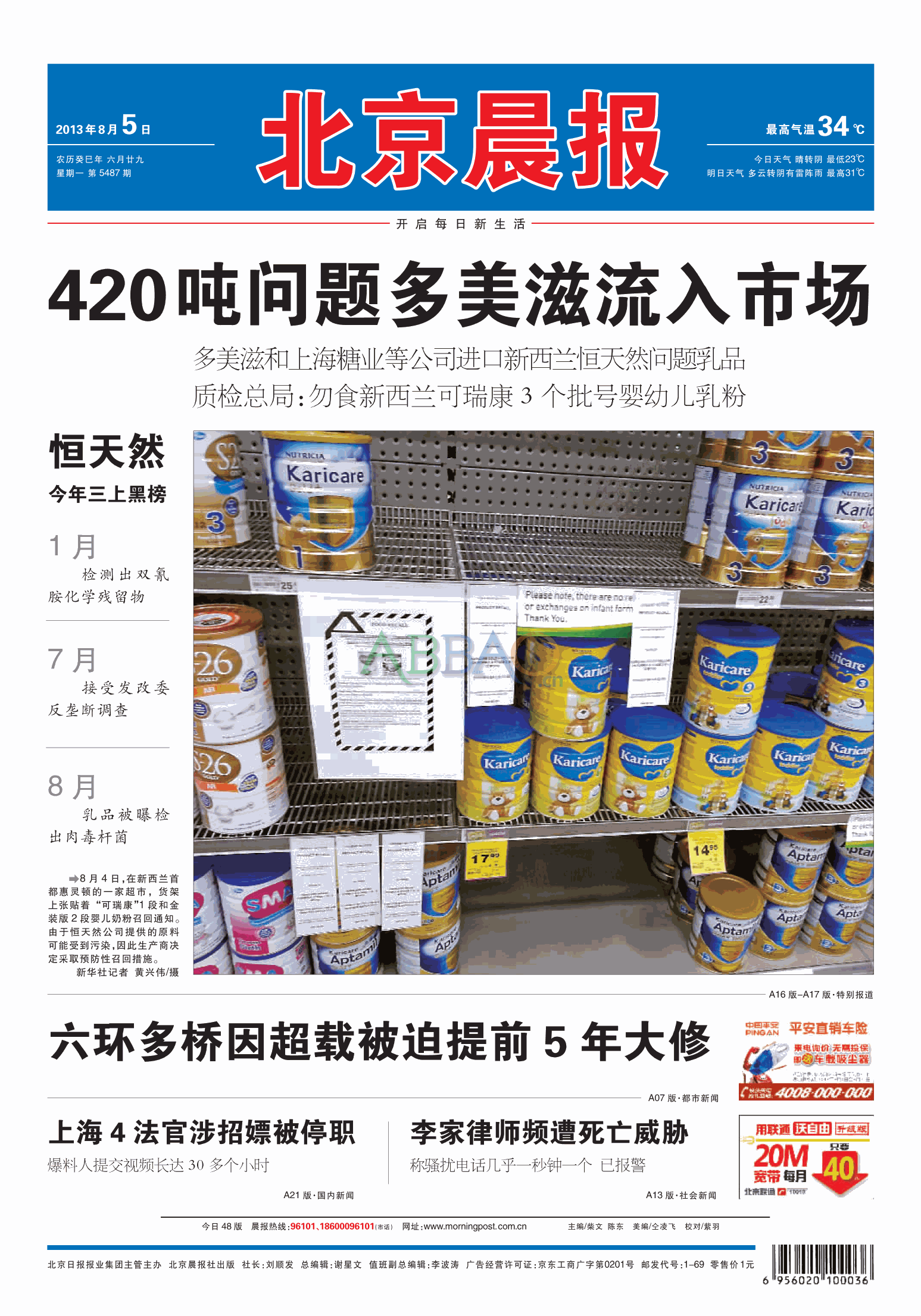
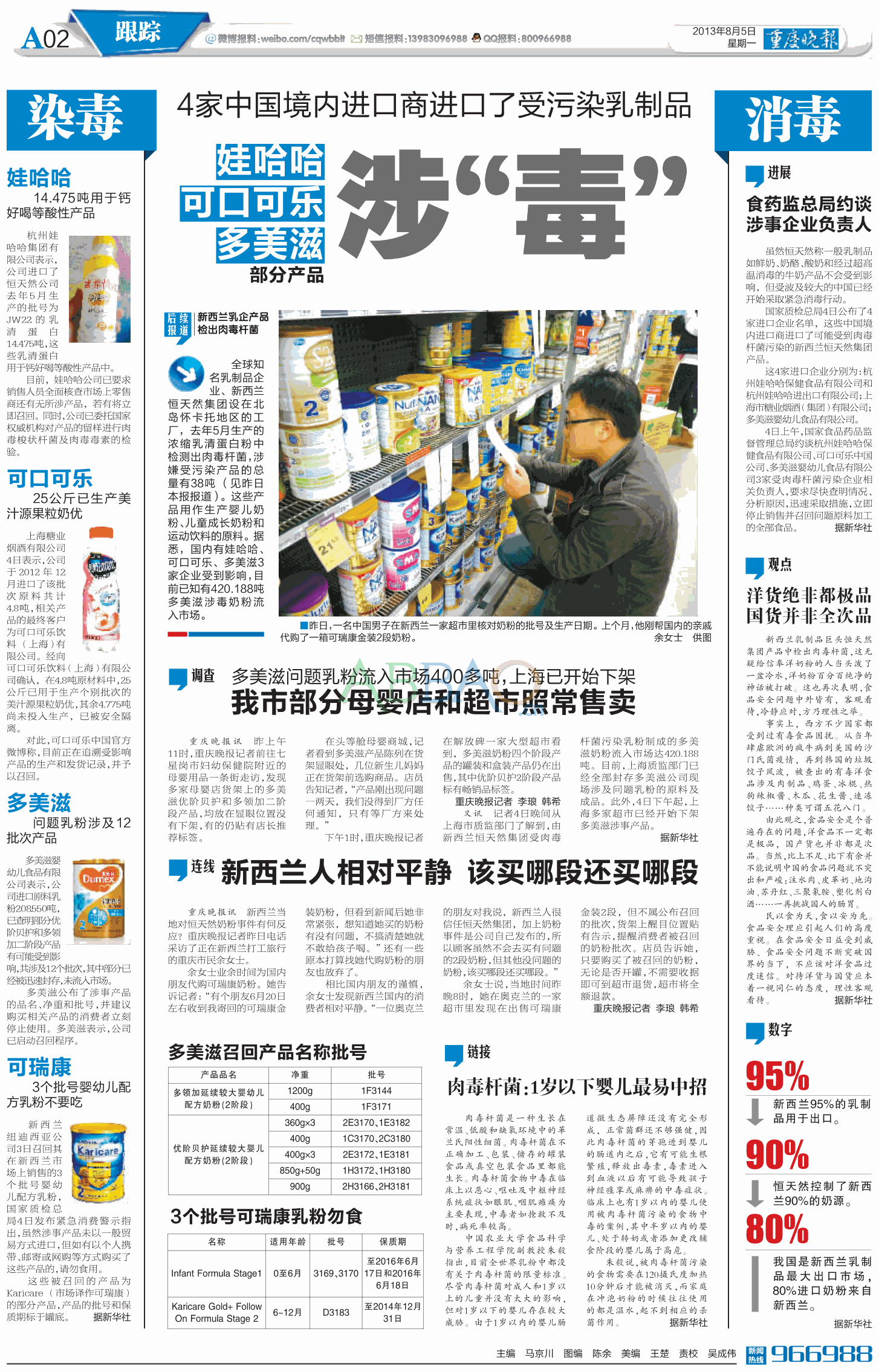
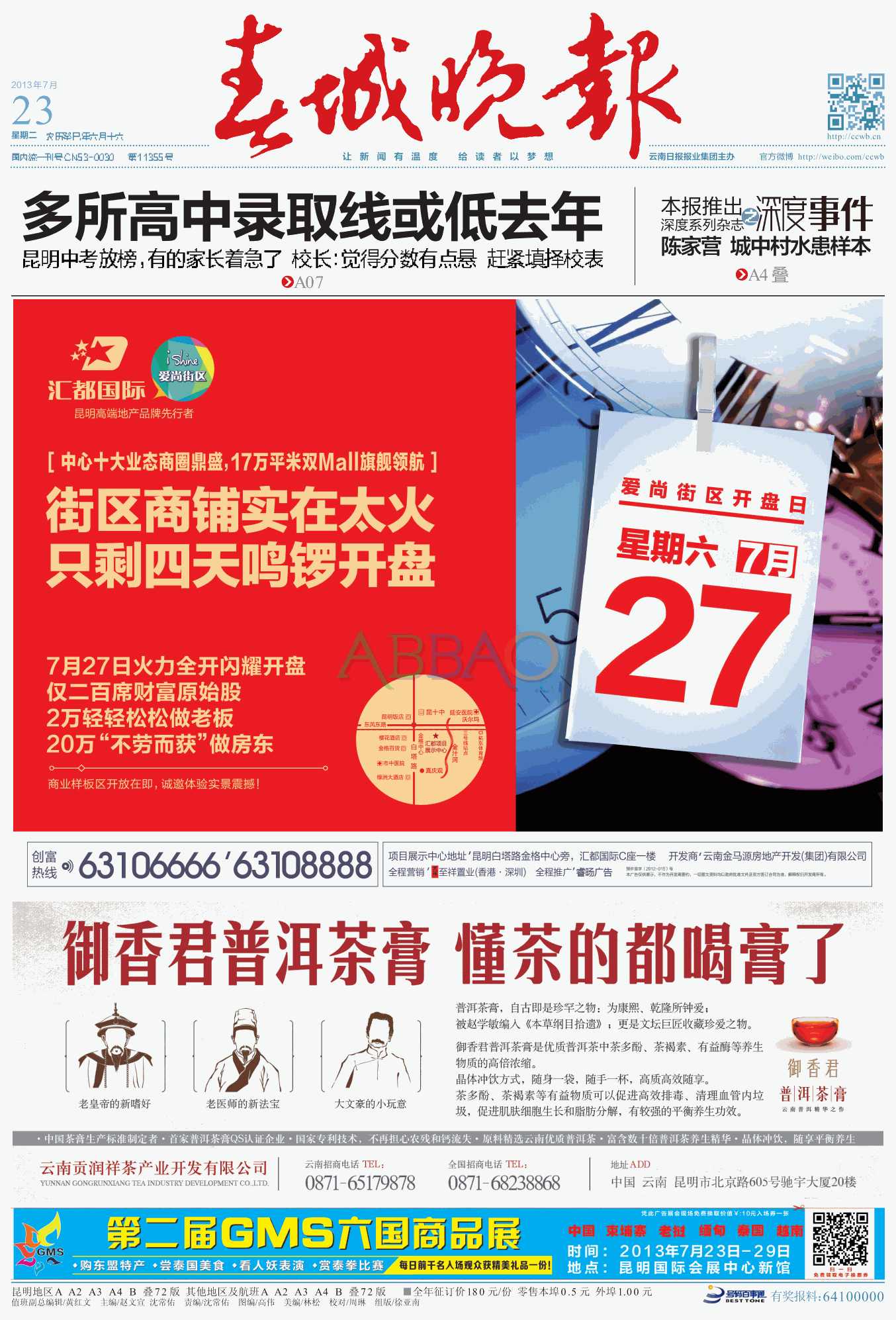
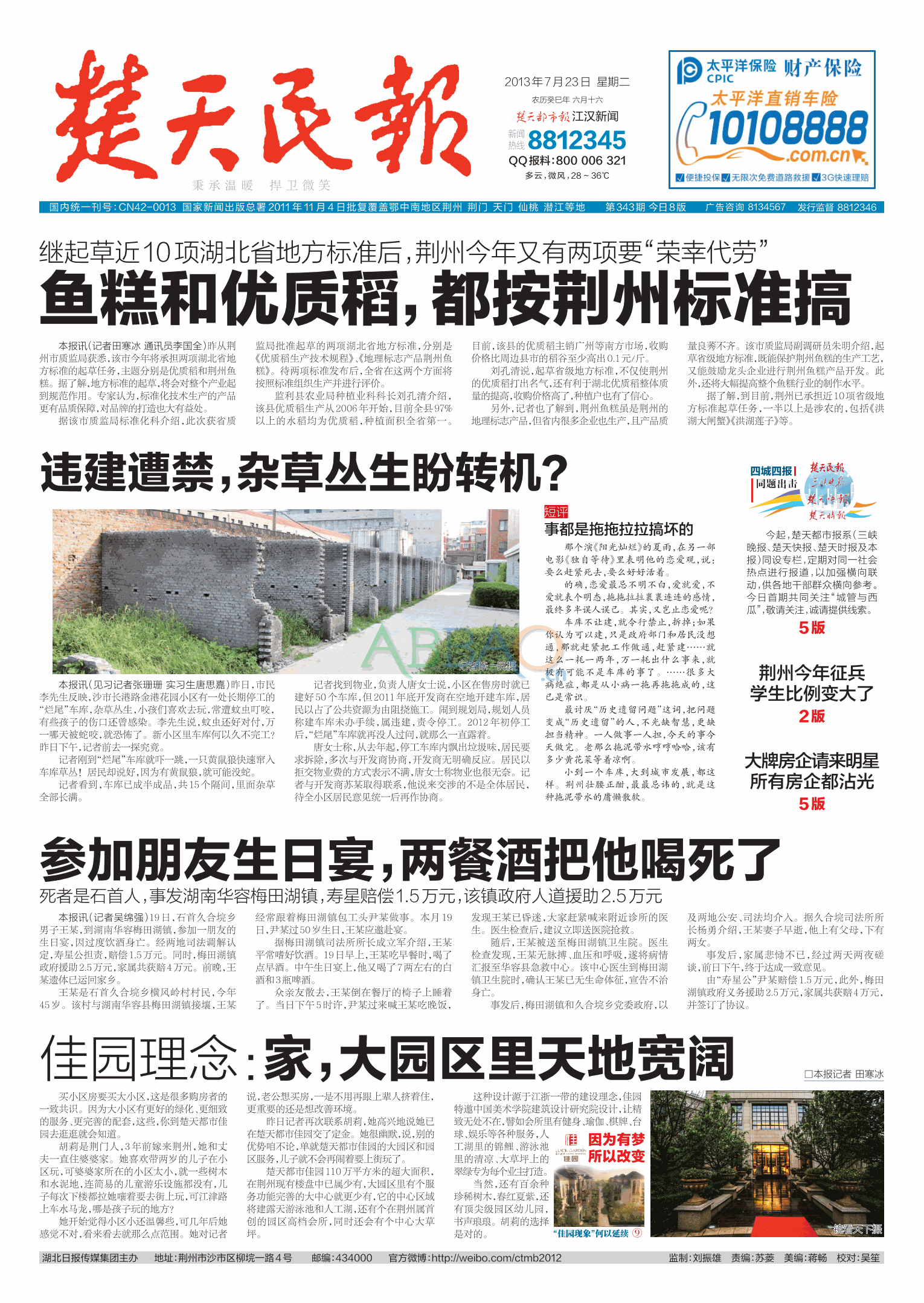
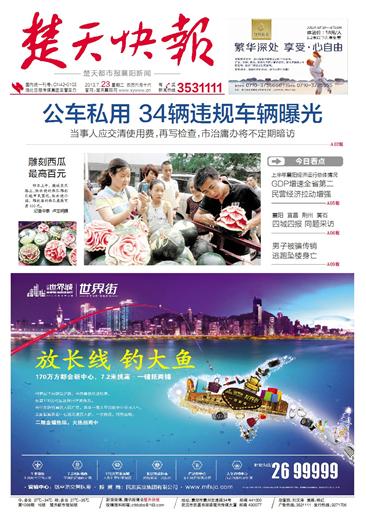
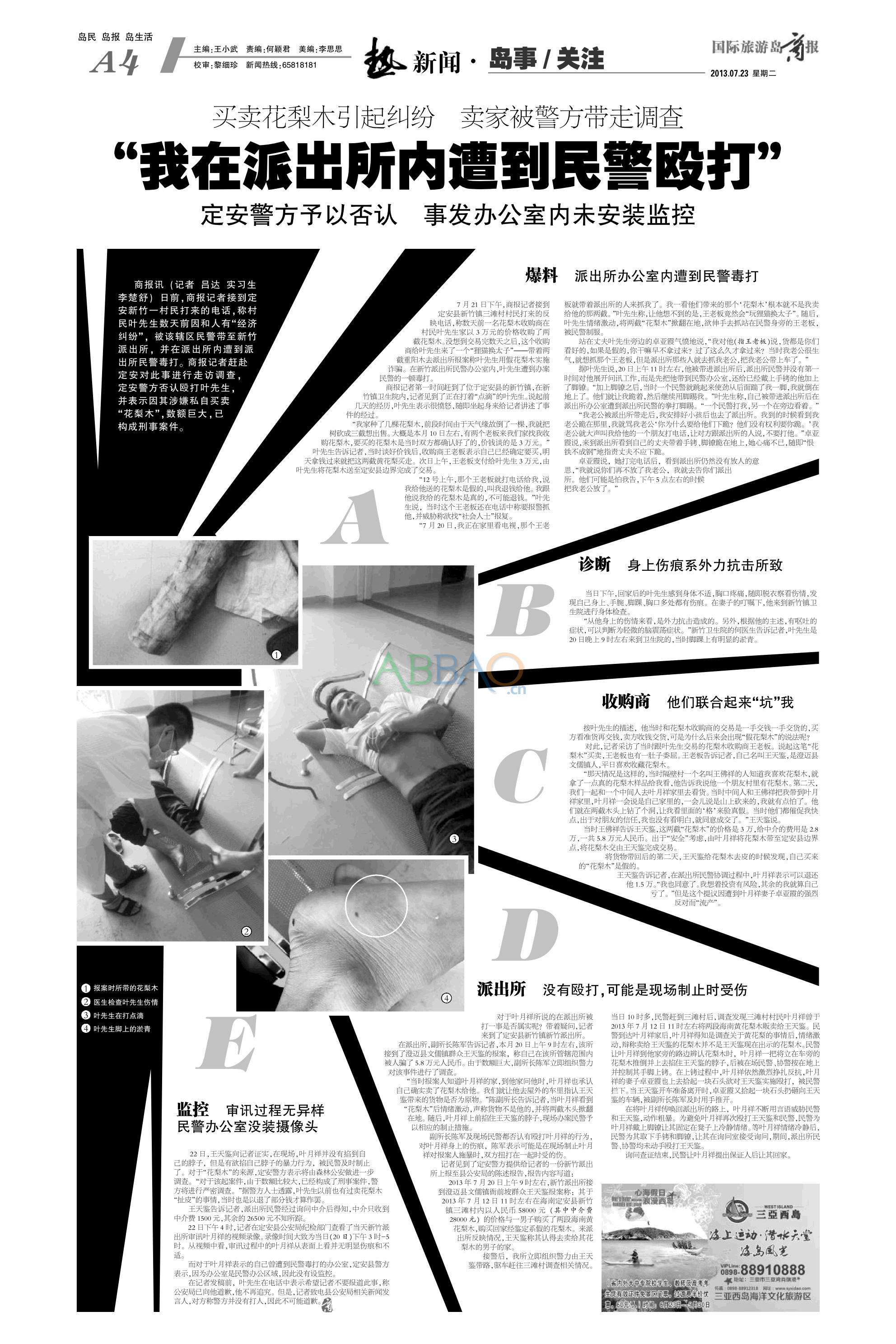
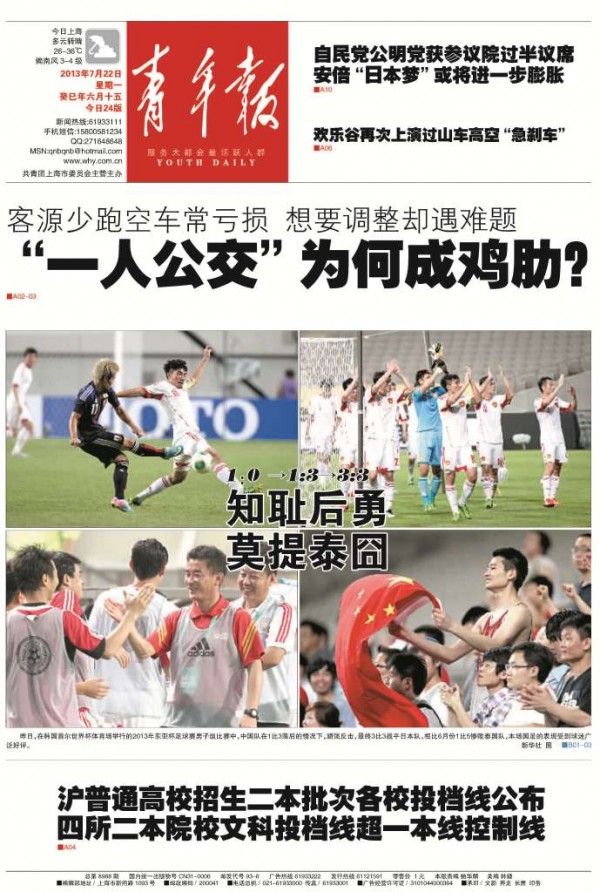
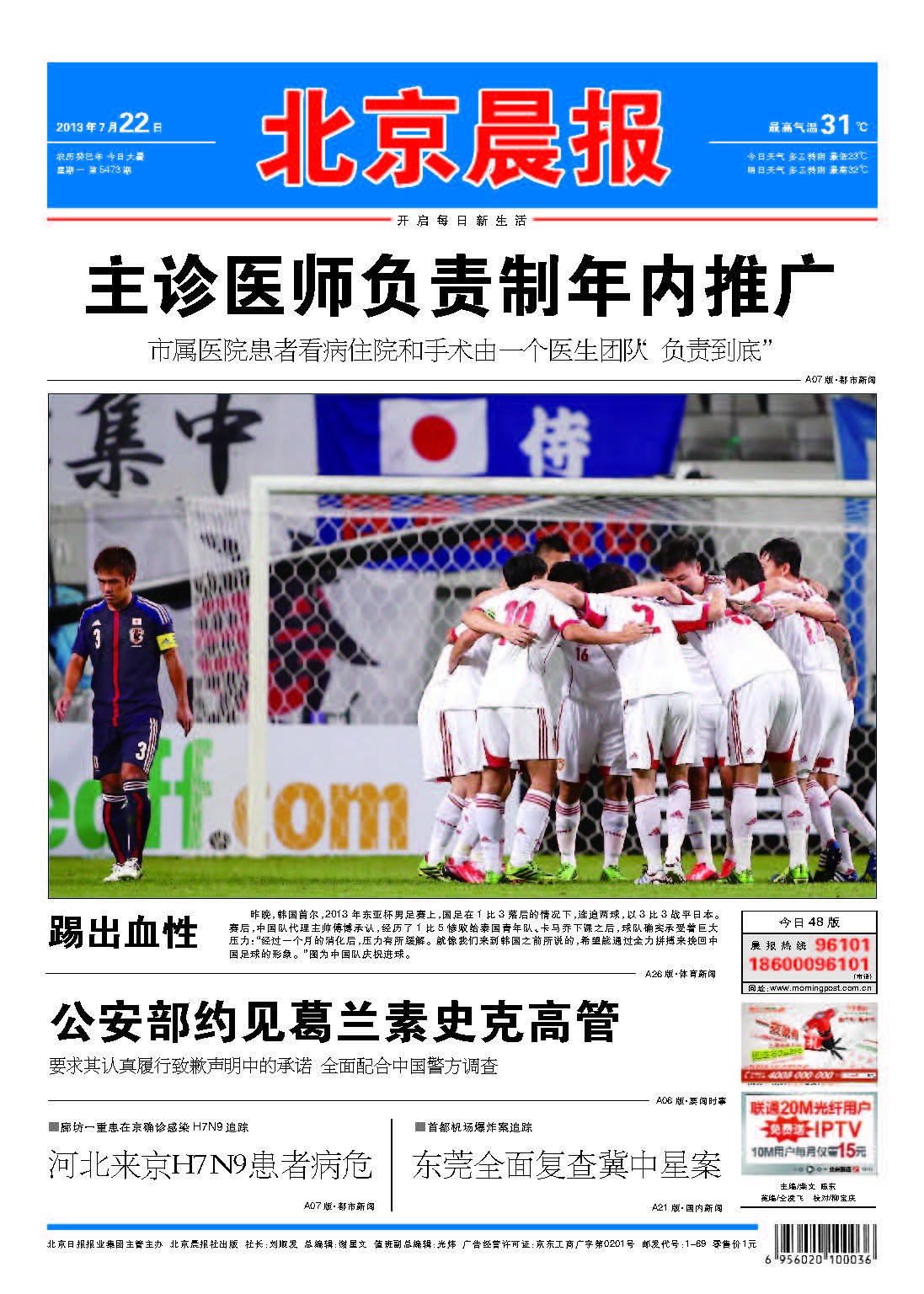
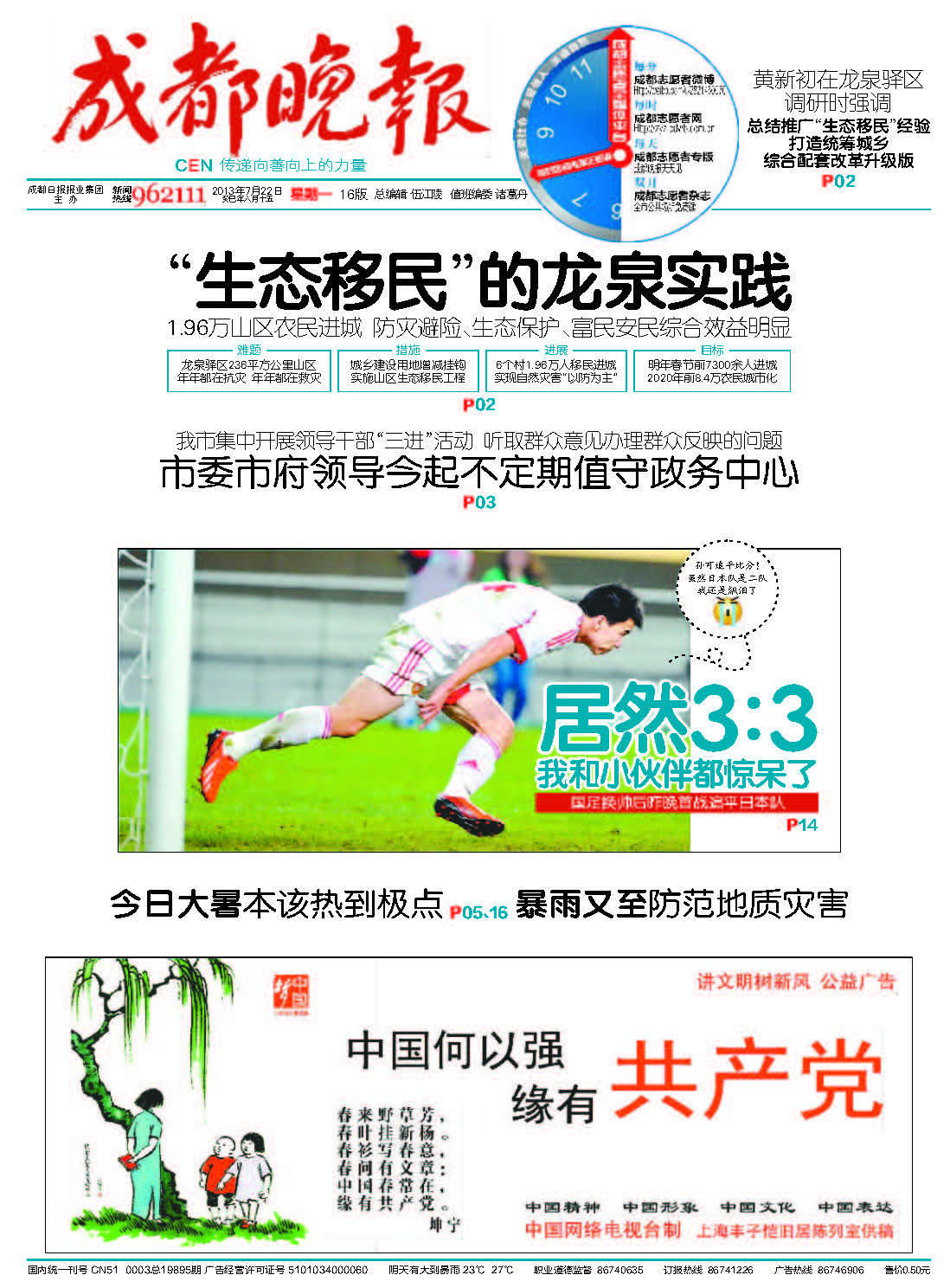
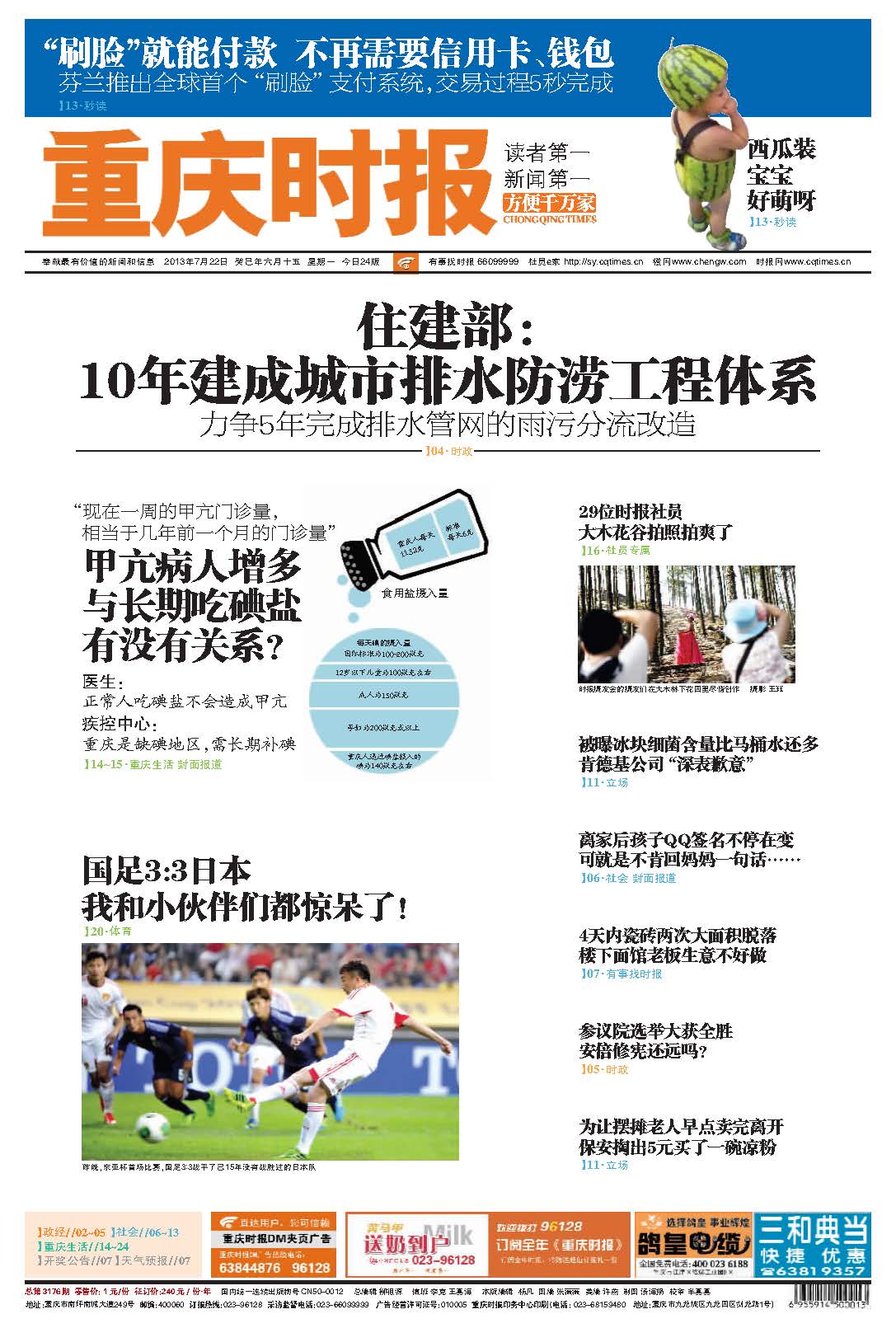
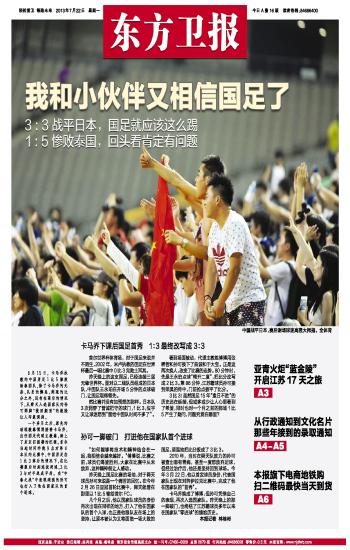
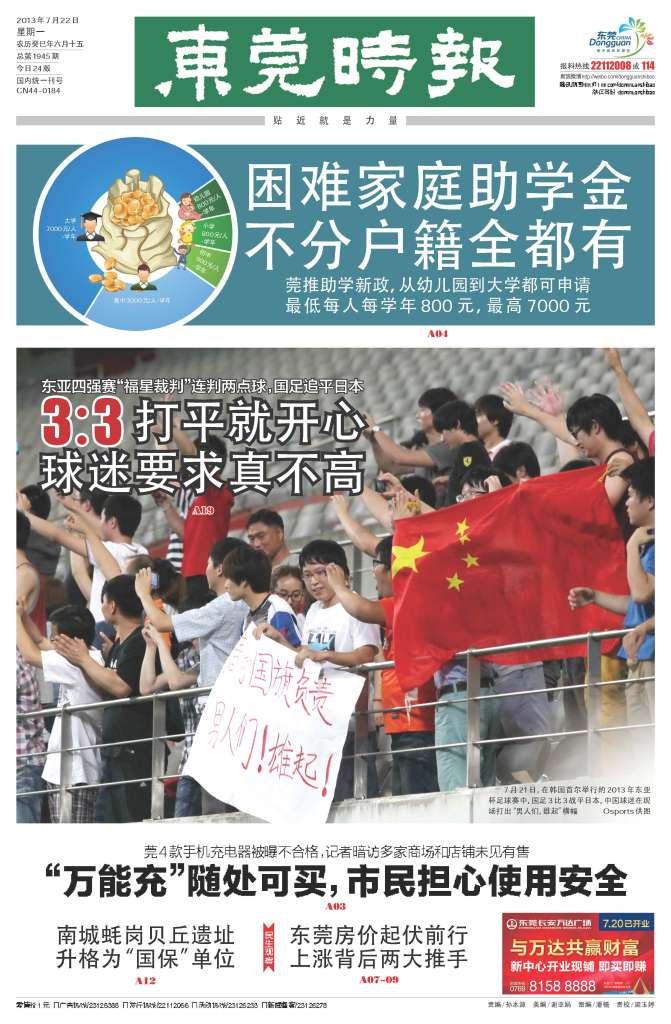
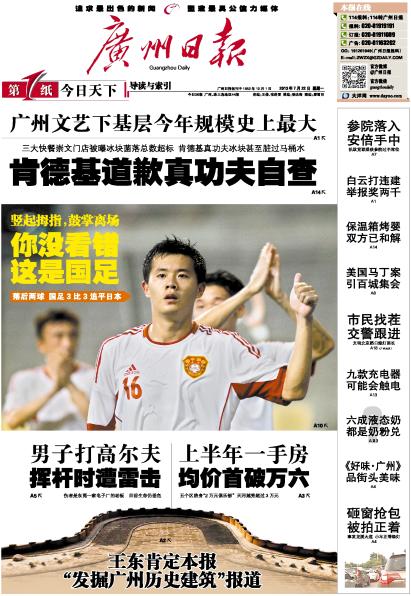
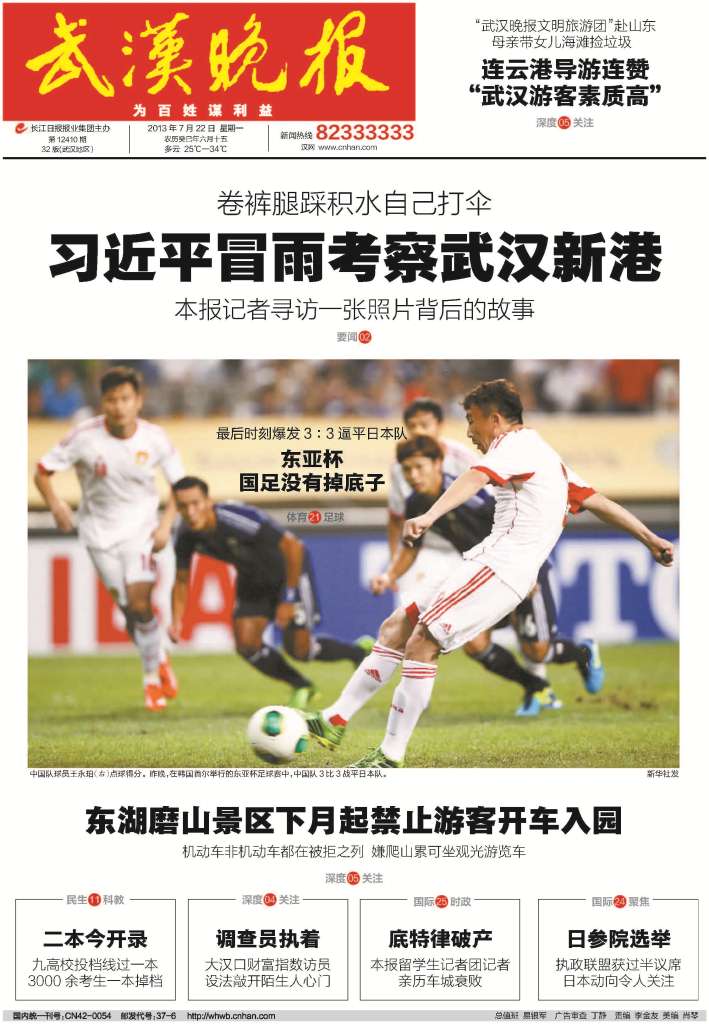
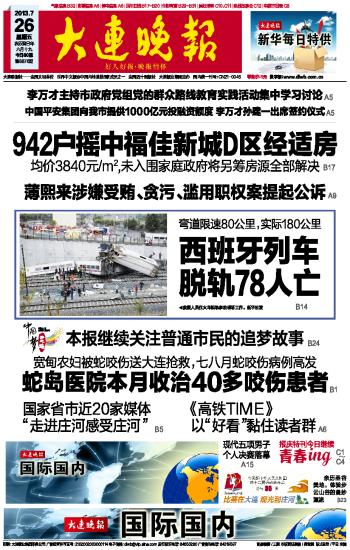
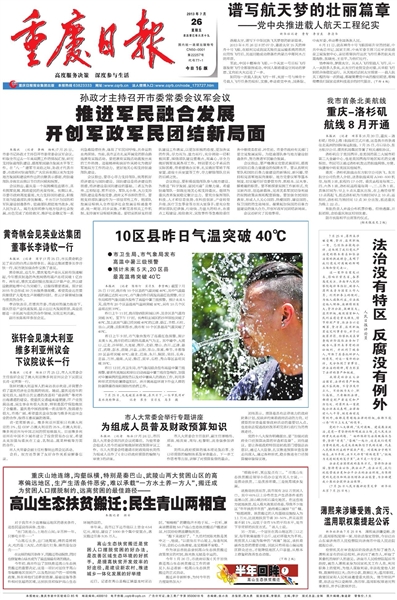
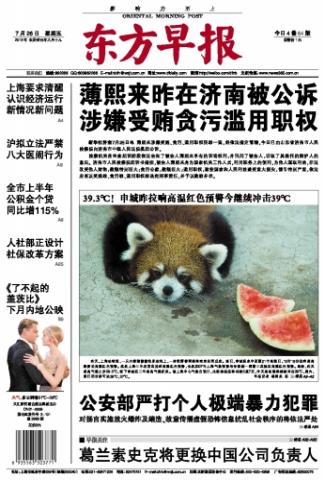
 A dead heat has settled in to large parts of southern China, and images of fiery thermometers and children splashing in pools have cropped up on front pages of newspapers around China alongside headlines exclaiming record-breaking temperatures, as can be seen in the gallery below. Most reports simply confirm the weather to be as outrageously hot as readers feel, but this morning’s Oriental Morning Post broke word of Shanghai’s heatwave a little more creatively, comparing it with the notoriously hot summer of 1934.


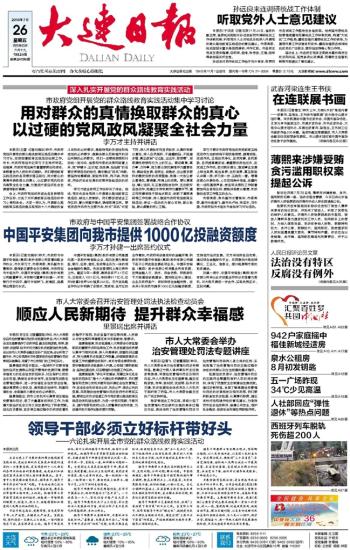
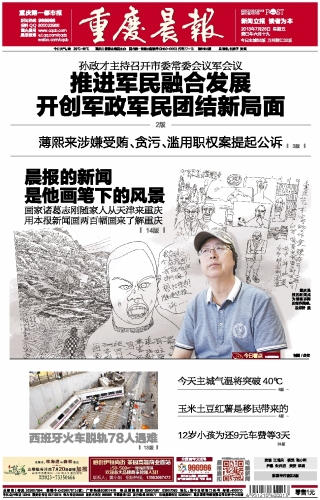
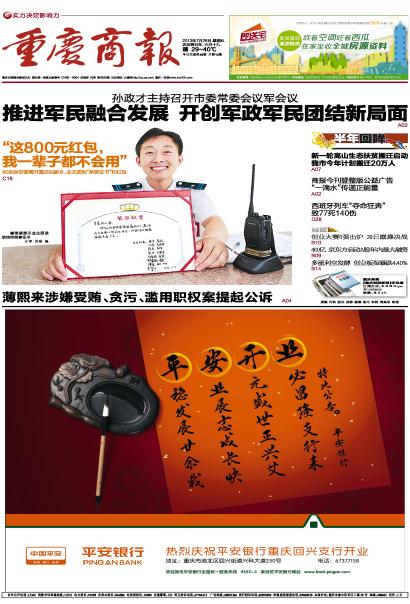
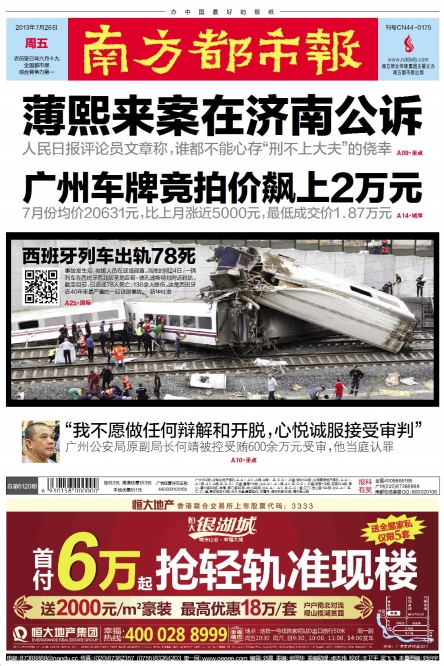
 Disgraced former Chongqing Party boss Bo Xilai was indicted yesterday on charges of accepting bribes, corruption, and abuse of official power. Today, Chinese newspapers have responded. The People’s Daily (人民日报) published a strongly-worded editorial under the headline “No one is above the law, and no one is exempt from the fight against corruption.” The Liberation Daily (解放日报), also a conservative paper, published a short article detailing the charges on which Bo was indicted and reprinted the People’s Daily article.

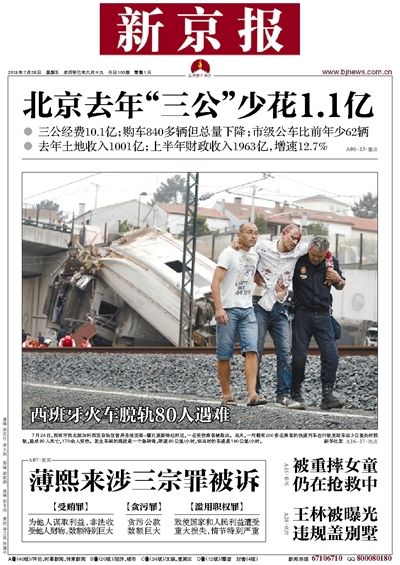
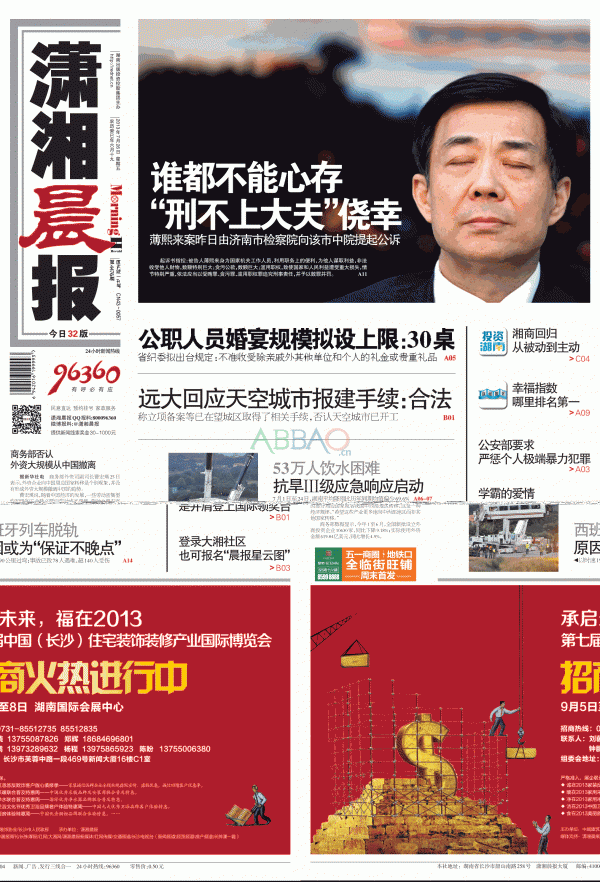
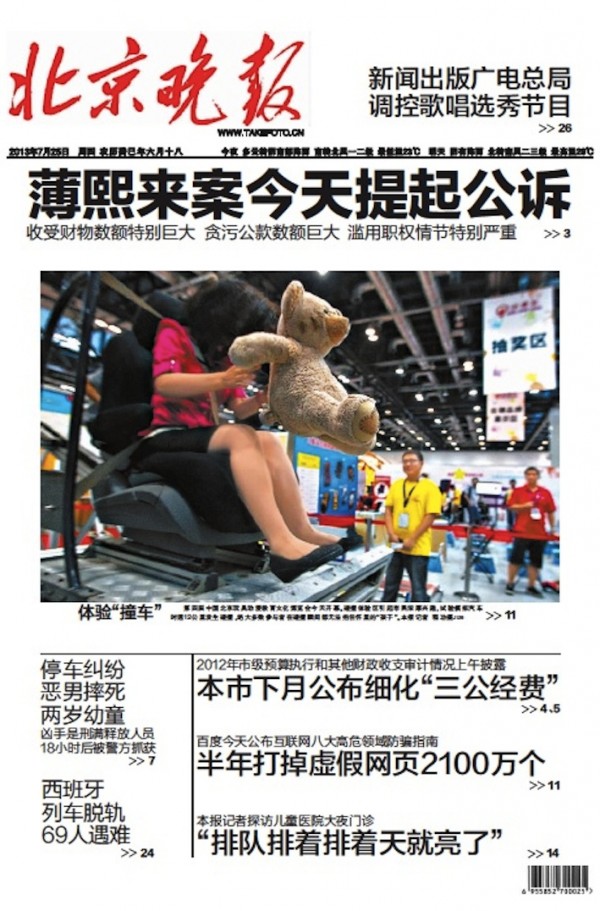
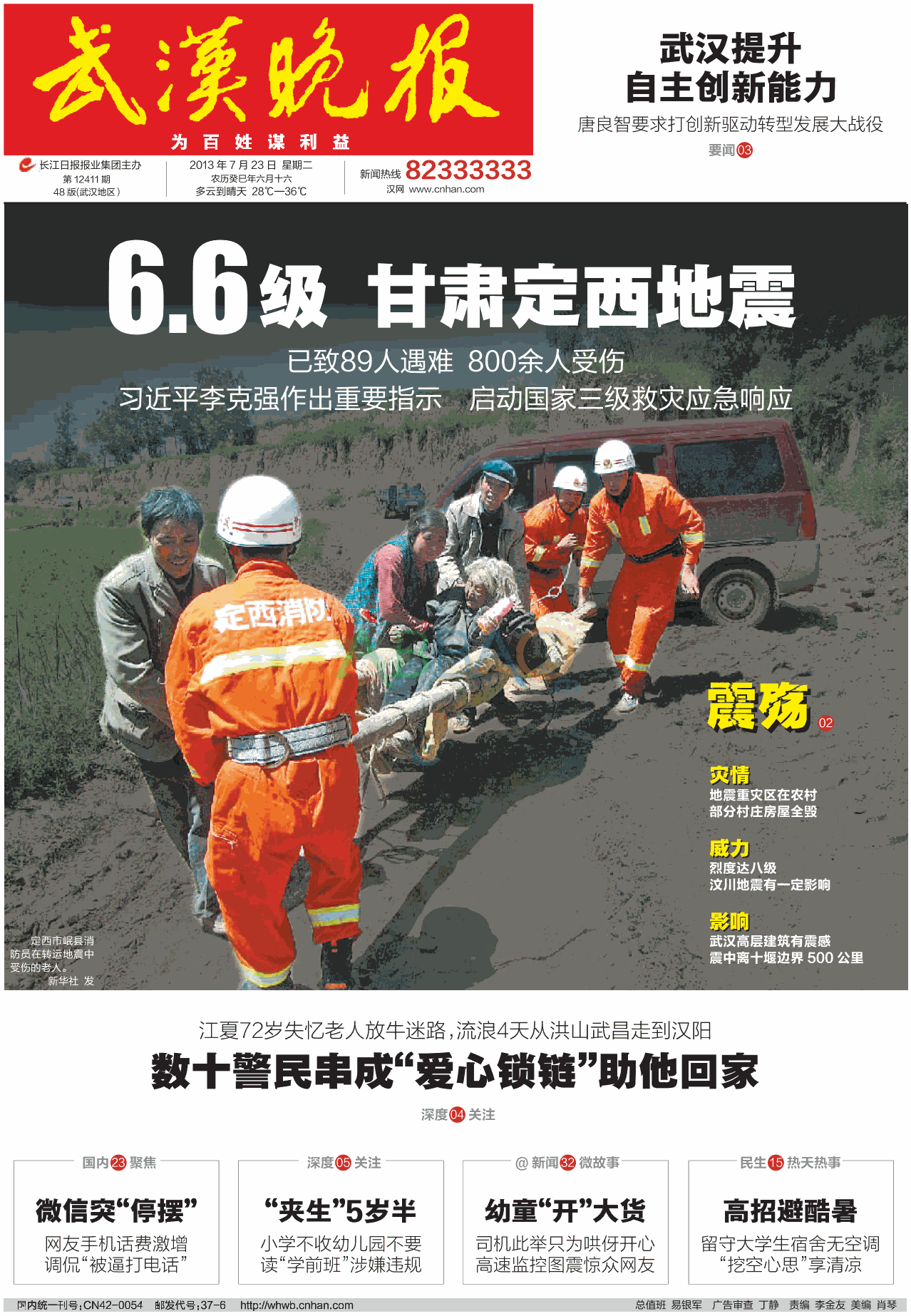
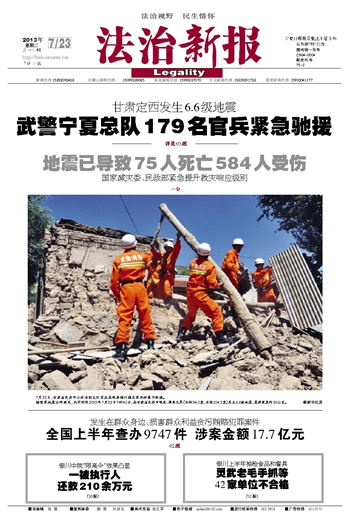
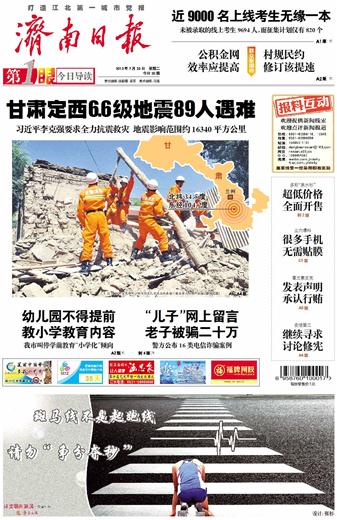
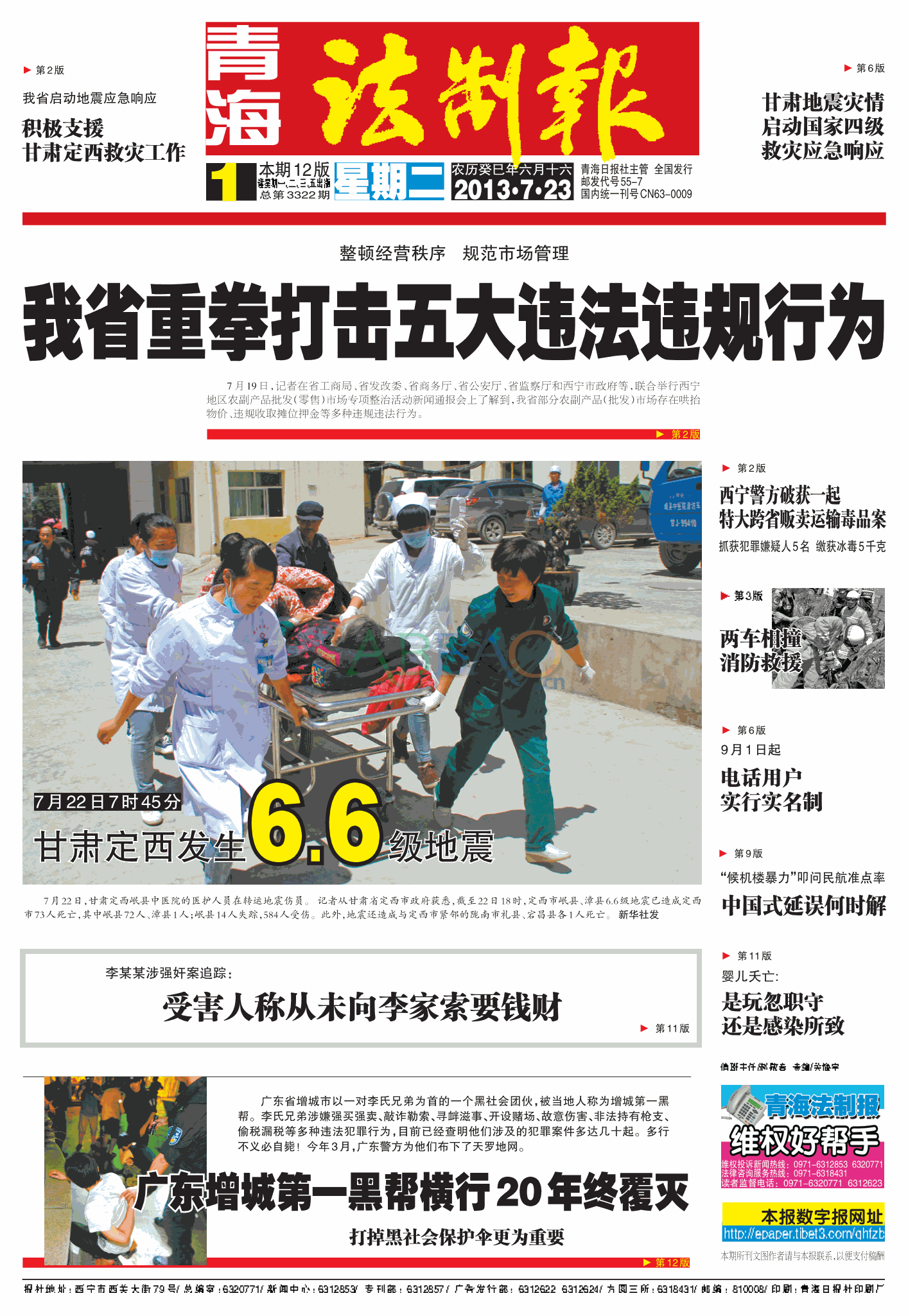
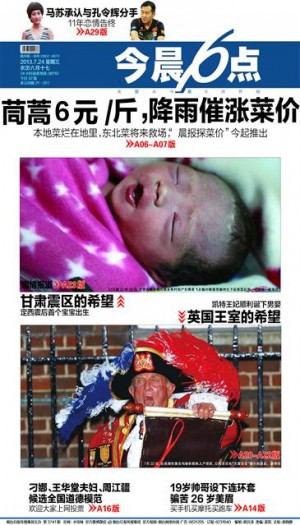 The as yet unnamed third-in-line to the British throne emerged into the world at 11:34 pm Chinese time on 22 July. With yesterday’s print already set, the Chinese press today benefited from a luxury not enjoyed by their colleagues in Britain: time to consider their response to the birth of the first child of Prince William and Kate Middleton. As his birth was preceded by a series of earthquakes in western China’s Gansu province, most editors did not see fit to adorn their front pages with pictures of the new royal baby. Most, but not all.
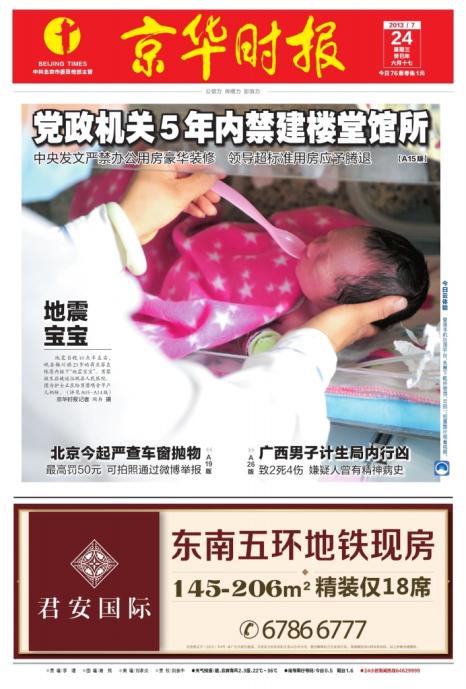
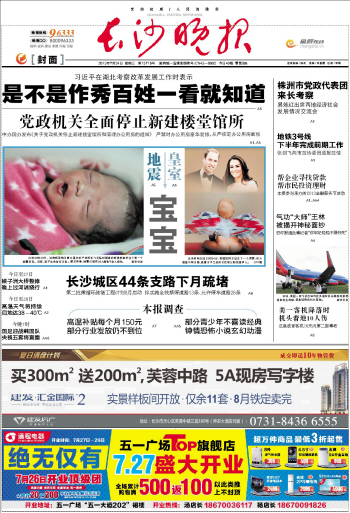
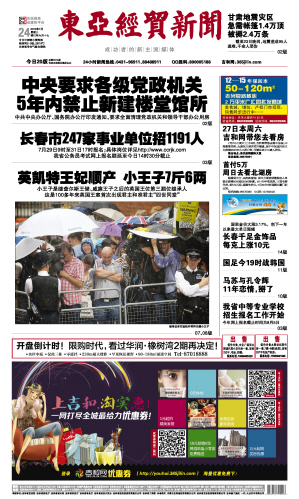
 Early yesterday morning, Zhu Wenqing 祝文清 had just arisen from bed in Majiagou 马家沟 village, Min county 岷县, Gansu, when he heard a spectacular boom. He rushed outside and watched as the building he had just exited began to sway violently, and moments later, collapse from an aftershock. Many neighbors were not so lucky, as newspapers are reporting today with headlines around China exclaiming “Magnitude 6.6 Earthquake Yesterday in Gansu: 89 Dead, More than 500 Injured” (甘肃昨发生6.6级强震89人遇难800余人伤).